

Why Bell Training Is a Great Way to Potty Train Your Puppy
One of the biggest challenges of bringing home a new puppy is learning to recognize when they need to go outside. Puppies may sniff around, wander toward the door, become restless, or simply give subtle signals that are easy to miss. Even experienced trainers can occasionally miss a puppy’s signals. Bell training helps eliminate some of that guesswork by giving your dog a recognizable way to let you know they need a potty break. The good news? You can introduce bell training at home, even if your puppy has never used potty bells before!
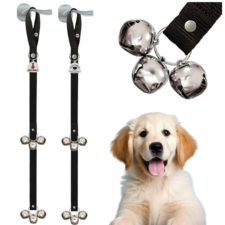
What You’ll Need to Get Started With Bell Training
Before beginning, gather two important supplies:
1. A Set of Dog Training Bells
Choose a set of bells designed to hang from a door or handle. If you regularly use more than one door to take your puppy outside, you may eventually want bells for each designated exit.
2. High-Value Training Treats
This is not the time for ordinary kibble! Choose a small, high-value treat your puppy absolutely loves. The more excited your puppy is about earning the reward, the more motivated they will be to participate. Keep your treats somewhere convenient, preferably near the door where you plan to practice.
Step-by-Step Guide: How to Bell Train Your Puppy
The key to successful bell training is breaking the process into small, manageable steps. Don’t rush to hang the bells on the door and expect your puppy to understand what they mean immediately. Start by teaching your puppy that interacting with the bells is a rewarding experience.
Step 1: Introduce the Bells on the Floor
Initially, place the bells on the floor where your puppy can easily investigate them. Get down on your puppy’s level and allow them to explore. Whenever your puppy looks at, approaches, touches, or steps on the bells, immediately reward them with a high-value treat. At this stage, you’re simply creating a positive association with the bells. Think of it as a little game!
Step 2: Gradually Move the Bells
Once your puppy understands that interacting with the bells earns a reward, begin moving them to different locations. Place them a little farther away and give your puppy the opportunity to approach and touch them independently. Initially, you can reward small attempts, such as moving toward the bells. As your puppy becomes more familiar with the game, become more specific about what earns the reward. Eventually, you want your puppy to intentionally touch the bells rather than simply stand near them.
Step 3: Hang the Bells at Your Puppy’s Level
Once your puppy consistently interacts with the bells on the floor, begin hanging them. Position them low enough that your puppy can comfortably reach them with their nose or paw. Watch for your puppy to make contact with the bells. The moment they do, use a marker word such as “Yes!” and immediately reward them. If your puppy is having difficulty reaching the bells, adjust their height. The goal is to make the desired behavior achievable without doing all the work for them.
Give your puppy time to figure it out.
Step 4: Create Distance Between You and the Bells
One important part of bell training is teaching your puppy to use the bells independently. It’s easy for puppies to perform a behavior when their owner is standing right beside them with a treat. The next step is encouraging them to walk over and ring the bells without needing you right there. Gradually increase the distance between yourself and the bells. Wait for your puppy to approach and interact with them. Reward the effort and continue practicing until they become comfortable performing the behavior independently.
Step 5: Introduce the Words “Do You Need to Go Potty?”
Once your puppy understands how to ring the bells, begin connecting that action with going outside. When your puppy rings the bells, introduce a consistent phrase such as “Do you need to go potty?” Then open the door and take your puppy outside.
This is where the connection begins to develop:
- Ring the bells.
- Hear the potty cue.
- Go outside.
- Have an opportunity to potty.
With repetition, your puppy will begin to understand that ringing the bells is a way to communicate their need to go outside.
Step 6: Practice the Routine Every Day
Consistency is essential! During the first 30 days at home, we recommend spending approximately five minutes practicing once or twice daily. Keep sessions short, positive, and engaging. Continue reinforcing the behavior throughout the day whenever your puppy uses the bells. Remember, bell training is a learned behavior. Even if your puppy understands the concept, they still need practice applying it consistently in their new surroundings.
How Long Does It Take to Bell Train a Puppy?
Every puppy learns at a different pace. Some puppies catch on quickly, while others need more time and repetition before consistently using the bells. We find that approximately 90% of dogs do very well with bell training. However, not every dog will become a consistent bell user, and that’s perfectly normal. Even puppies who have already been introduced to bell training during their time with us may need some reinforcement when they arrive at their new homes. A new environment, different doors, unfamiliar routines, and a new family can all require an adjustment period. Patience and consistency will go a long way!
What If My Puppy Rings the Bells but Doesn’t Need to Go Potty?
Don’t worry! This is a normal part of the learning process. Sometimes puppies ring the bells because they want to go outside, enjoy the attention, or simply want another opportunity to earn a treat. This is called false signaling. When your puppy rings the bells, give them the opportunity to go outside. Praise them for communicating, even if they don’t actually potty. Over time, as you become familiar with your puppy’s routine and bathroom habits, you’ll get better at recognizing when they genuinely need a potty break. If your puppy begins ringing the bells excessively, you can adjust how you reinforce the behavior and manage the routine. However, avoid discouraging your puppy from communicating when they need to go outside.
Common Bell Training Mistakes to Avoid
A few simple adjustments can make a big difference in your puppy’s progress.
Moving Too Quickly
Don’t skip the introductory steps. Your puppy needs to understand that touching the bells is rewarding before you expect them to use them to request an outdoor trip.
Not Using High-Value Rewards
If your puppy isn’t particularly interested in the treats, they may not be motivated to participate. Find something they truly enjoy.
Expecting Immediate Results
Even if your puppy has been introduced to bells before, they may need time to understand how the system works in your home.
Inconsistent Training
Use the same bells, the same door, and the same verbal cue whenever possible. Consistency helps your puppy understand what is expected.
Getting Discouraged by False Signals
Your puppy may ring the bells without needing to potty. This doesn’t mean the training isn’t working. It’s simply part of the learning process.
Can You Bell Train an Older Dog?
Absolutely! Bell training isn’t just for young puppies. Adult dogs can also learn to use potty bells, even if they have never been introduced to them before. The same basic process applies: start with the bells on the floor, reward interaction, gradually move them to the door, and eventually connect ringing the bells with going outside. Whether your dog is 12 weeks old or two years old, the fundamentals remain the same.
Final Thoughts: Helping Your Puppy Communicate With You
Bell training is a wonderful way to give your puppy a clearer way to communicate with you. With patience, positive reinforcement, and consistent practice, many puppies learn to use the bells as part of their everyday potty routine. Bell training is one more tool that helps build communication, confidence, and a successful house-training routine. And remember, every puppy is an individual. Celebrate the small victories, keep training sessions positive, and give your puppy the time they need to succeed.