
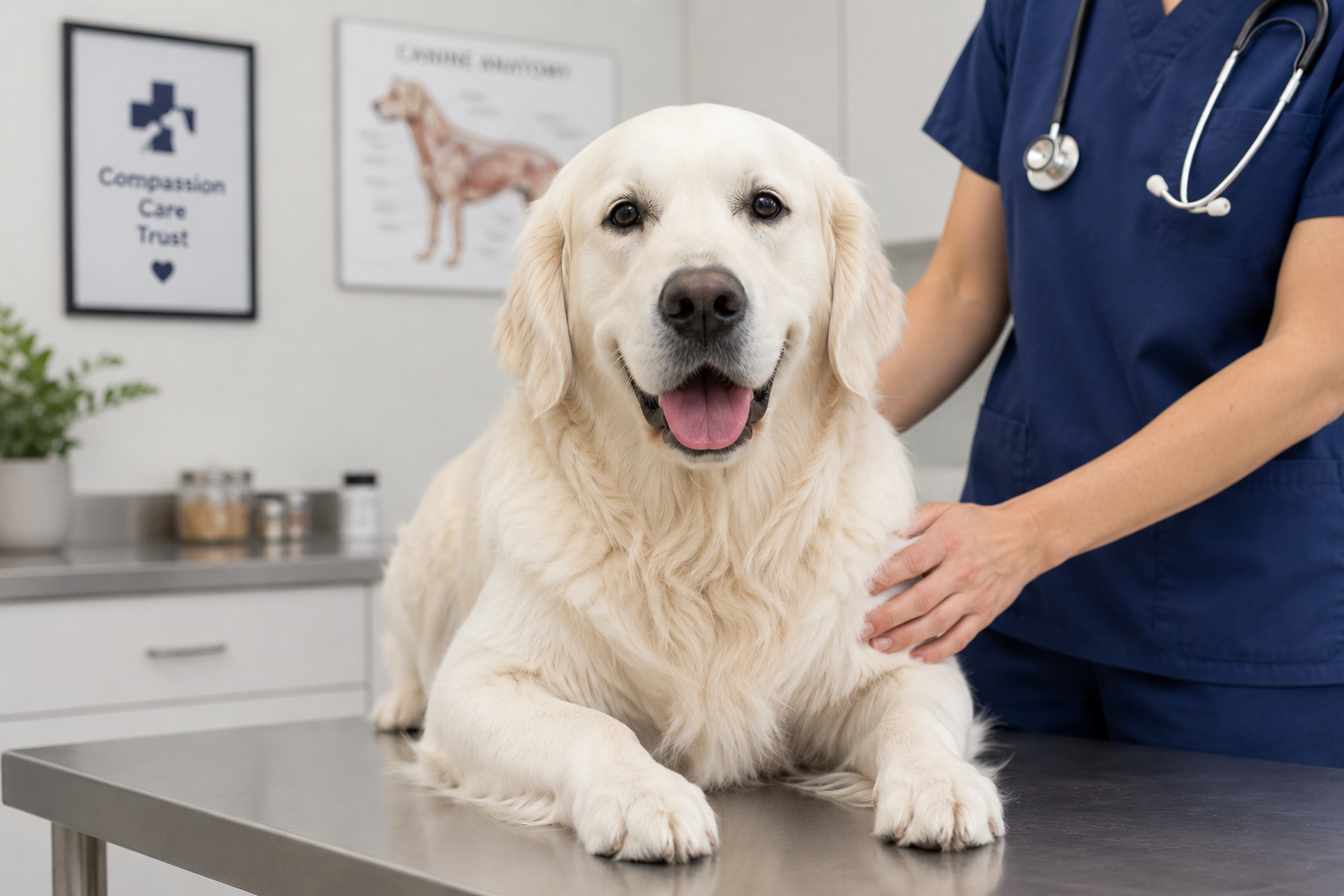

Bringing home a new puppy is one of life’s greatest joys, and one of the first decisions you’ll make is choosing the right veterinarian. A trusted veterinarian becomes an essential member of your dog’s healthcare team, helping you navigate everything from puppy vaccinations and preventative care to nutrition, emergency situations, and senior wellness. With so many veterinary clinics to choose from, how do you know which one is the best fit for your family? Here are the most important factors to consider when selecting a veterinarian for your dog.
1. Look Beyond Location
While convenience matters, the closest veterinary office isn’t always the best choice. A veterinarian who provides exceptional medical care, communicates well, and builds a lasting relationship with your family is worth driving a little farther.
Consider:
- Reputation within the community
- Years of experience
- Modern medical equipment
- Continuing education and advanced training
- Friendly, knowledgeable staff
A veterinary team that invests in education and technology is often better equipped to provide the highest standard of care.
2. Ask for Recommendations
One of the best ways to find an outstanding veterinarian is through trusted referrals.
Talk with:
- Your dog’s breeder
- Professional trainers
- Groomers
- Friends and family
- Local dog clubs
Experienced breeders work with veterinarians regularly and often know which clinics consistently provide excellent care.
3. Visit the Clinic Before You Need It
Schedule a visit before your puppy arrives whenever possible.
Observe:
- Is the clinic clean and organized?
- Is the staff welcoming?
- Are pets handled gently?
- Does the environment feel calm and professional?
A well-managed veterinary practice usually reflects attention to detail throughout every aspect of patient care.
4. Evaluate Communication
Great veterinarians educate—not intimidate.
Look for a veterinarian who:
- Takes time to answer questions
- Explains diagnoses clearly
- Discusses treatment options
- Provides realistic expectations
- Respects your concerns
You should leave appointments feeling informed and confident, not rushed or overwhelmed.
5. Preventative Medicine Should Be a Priority
Excellent veterinarians focus on preventing disease rather than simply treating it.
Ask about their recommendations regarding:
- Vaccination schedules
- Parasite prevention
- Nutrition
- Dental care
- Weight management
- Annual wellness examinations
- Senior health screenings
A proactive approach helps your dog enjoy a longer, healthier life.
6. Emergency Care Matters
Emergencies rarely happen during business hours.
Ask:
- Do they offer emergency appointments?
- Who covers after-hours emergencies?
- Which emergency hospital do they recommend?
- Can medical records be transferred quickly?
Knowing the plan before an emergency occurs provides valuable peace of mind.
7. Find a Veterinarian Who Values Partnership
The best veterinarians recognize that owners know their dogs better than anyone.
Your veterinarian should encourage collaboration and welcome questions. Healthcare decisions work best when they are made together.
8. Consider Fear-Free Handling
Many veterinary clinics now incorporate low-stress handling techniques that reduce anxiety during examinations.
Dogs who have positive veterinary experiences are:
- Easier to examine
- Less fearful
- More cooperative
- Less stressed throughout their lives
This is especially important during puppyhood when lifelong impressions are formed.
9. Understand the Clinic’s Services
As your dog ages, their healthcare needs will change.
Ask whether the practice offers:
- Digital radiography
- Ultrasound
- Laboratory testing
- Surgery
- Dental procedures
- Reproductive services
- Senior wellness programs
- Nutritional counseling
Choosing a full-service practice can provide continuity of care throughout your dog’s life.
10. Trust Your Instincts
Credentials matter, but so does comfort.
After visiting a clinic, ask yourself:
- Did I feel welcomed?
- Did the veterinarian genuinely care about my dog?
- Were my questions answered respectfully?
- Would I feel comfortable trusting this team during an emergency?
Your instincts are often an excellent guide.
Questions to Ask a New Veterinarian
Before making your decision, consider asking:
- What is your philosophy on preventative care?
- How do you handle emergencies?
- How long are routine appointments?
- What vaccinations do you recommend and why?
- Do you recommend routine bloodwork?
- What nutrition do you recommend for growing puppies?
- How do you approach behavior concerns?
- What parasite prevention protocols do you follow?
Building a Lifelong Relationship
The veterinarian-client relationship is one of the most valuable investments you can make in your dog’s health.
Regular wellness visits allow your veterinarian to establish a baseline for your dog’s normal health, making it easier to detect subtle changes early. Early diagnosis often leads to more successful treatment and better long-term outcomes.
Final Thoughts
Choosing a veterinarian isn’t simply about finding someone to administer vaccines—it’s about finding a trusted healthcare partner who will help your dog live a long, healthy, and happy life.
Take the time to research your options, ask questions, and visit prospective clinics before making your decision. A compassionate, knowledgeable veterinarian who communicates well and emphasizes preventative care will become an invaluable resource for your family for many years to come.