
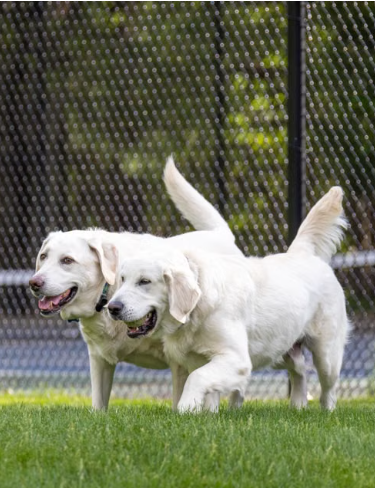
Choosing a doggy daycare is an important decision. For many dog owners, daycare provides more than just a place for their dog to spend the day—it offers opportunities for exercise, socialization, mental stimulation, and companionship. However, not all doggy daycares are created equal. The right daycare should provide a safe, structured, and positive environment where your dog can thrive. Whether you have a playful puppy, a high-energy adolescent, or a mature dog who enjoys companionship, knowing what to look for can help you make the best choice.
1. Visit the Facility Before Enrolling Your Dog
One of the most important steps when choosing a doggy daycare is visiting the facility in person. A reputable daycare should welcome your questions and allow you to see where dogs spend their time.
During your visit, pay attention to:
- Cleanliness of play areas and rest spaces
- Safety features such as secure fencing and controlled entry points
- The overall atmosphere of the facility
- How staff members interact with the dogs
- Whether dogs appear happy, comfortable, and supervised
A quality daycare should feel organized, calm, and well-managed.
2. Ask About Their Dog Evaluation Process
A responsible doggy daycare should not allow every dog to immediately join a group environment without an evaluation.
Ask:
- Does your dog complete a temperament assessment?
- How do you determine which dogs are a good match together?
- Do you evaluate energy level, confidence, and play style?
- What happens if a dog becomes overwhelmed or uncomfortable?
Every dog is an individual. A young, energetic puppy may have very different needs than a calm adult dog who prefers a quieter environment.
3. Look for Proper Supervision
Supervision is one of the biggest factors separating excellent daycares from average ones.
Ask about:
- Staff-to-dog ratios
- How employees are trained
- Whether staff are always present during play
- How conflicts between dogs are handled
- Whether dogs have opportunities for breaks and downtime
Dogs need more than just a large open space. They need attentive caregivers who understand canine communication and behavior.
4. Ask About Safety and Health Requirements
A professional daycare should have clear health and safety policies.
Look for requirements such as:
- Current vaccinations
- Parasite prevention
- Health screenings
- Policies for sick dogs
- Emergency procedures
- Secure handling and check-in/check-out processes
These standards protect every dog attending the facility.
5. Consider Structure, Not Just Playtime
Many people assume the best daycare is the one where dogs simply run and play all day. However, quality care includes balance.
Dogs benefit from:
- Supervised social interaction
- Mental enrichment
- Training opportunities
- Rest periods
- Individual attention
Too much unstructured activity can lead to overstimulation, exhaustion, or unwanted behaviors. A great daycare understands that dogs need both engagement and relaxation.
6. Evaluate the Staff’s Knowledge of Dog Behavior
The people caring for your dog matter just as much as the facility itself.
Look for staff who understand:
- Canine body language
- Stress signals
- Appropriate play behaviors
- Confidence-building techniques
- Positive reinforcement methods
Employees should be able to recognize when a dog is enjoying an interaction and when a dog needs space or support.
7. Choose a Daycare That Fits Your Dog’s Personality
The best daycare is not necessarily the biggest or most popular—it is the one that matches your dog’s needs.
Consider your dog’s:
- Age
- Energy level
- Confidence
- Social preferences
- Training level
- Comfort around other dogs
Some dogs love a busy play environment, while others do better with smaller groups and more structured activities.
8. Ask About Training and Enrichment Opportunities
A great daycare can be an extension of your dog’s education.
Ask whether the facility offers:
- Basic obedience reinforcement
- Confidence-building activities
- Enrichment games
- Individual attention
- Manners training
The goal should not just be a tired dog at the end of the day—it should be a happy, balanced, and well-behaved companion.
9. Read Reviews and Ask Other Dog Owners
Online reviews can provide helpful insight, but also consider asking local dog owners about their experiences.
Look for feedback about:
- Staff communication
- Safety practices
- Cleanliness
- How dogs behave after attending
- How concerns are handled
A trustworthy daycare will have a reputation built on happy dogs and satisfied owners.
10. Trust Your Instincts
When choosing a doggy daycare, trust what you see and how you feel during your visit. The right facility should make you feel confident that your dog is being cared for, understood, and treated as an individual.
Your dog’s daycare experience should provide more than supervision—it should support their emotional well-being, confidence, and overall development.
Final Thoughts
Choosing the right doggy daycare is an investment in your dog’s happiness and quality of life. Take the time to ask questions, tour facilities, and find a place that prioritizes safety, structure, and compassionate care. A great daycare becomes a trusted partner in helping your dog become the best version of themselves.