
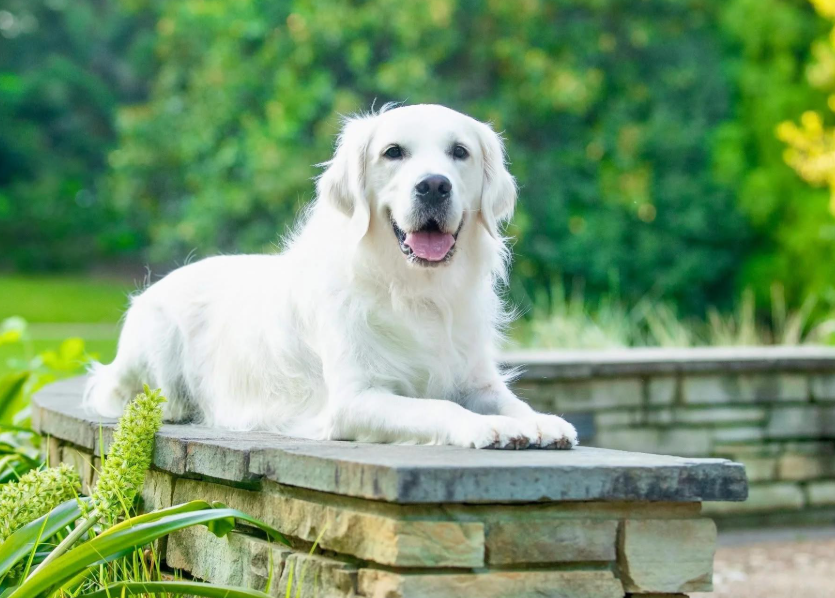
Your Golden Retriever’s paws do a lot of work! From exploring the backyard and walking neighborhood trails to running through the grass and enjoying family adventures, those four paws carry your dog through every part of the day. Keeping them clean and healthy is an important part of your Golden Retriever’s overall grooming and wellness routine. Although paw care is sometimes overlooked, regular attention can help prevent irritation, reduce the risk of infection, and keep your dog comfortable. Whether you have a playful Golden Retriever puppy or an adult companion, a few simple habits can make a big difference. Here’s how to keep your Golden Retriever’s paws clean, healthy, and ready for every adventure.
1. Make Paw Cleaning Part of Your Daily Routine
Golden Retrievers love being outdoors, but grass, dirt, mud, pollen, and other debris can easily collect between their toes and around their paw pads.
After walks or outdoor play, take a moment to inspect and clean your dog’s paws. A soft, damp washcloth or pet-safe paw wipe is usually sufficient for everyday cleaning.
Pay particular attention to:
- Between the toes, where dirt and debris can become trapped.
- Around the paw pads, where mud and small particles may accumulate.
- The tops of the paws, especially after playing in wet grass.
- Around the nails, where dirt can collect.
If your Golden Retriever has been walking through particularly muddy areas, a gentle rinse with lukewarm water may be necessary. Always dry the paws thoroughly afterward, especially between the toes.
2. Keep the Hair Between Paw Pads Trimmed
Golden Retrievers have beautiful feathering, including hair around their feet. However, excessive hair growing between the paw pads can collect dirt, trap moisture, and make walking on certain surfaces more difficult.
Keeping this hair neatly trimmed helps:
- Prevent dirt and debris from becoming trapped.
- Reduce matting around the feet.
- Improve traction on smooth indoor surfaces.
- Make routine paw cleaning easier.
Use blunt-tip grooming scissors or have a professional groomer handle this delicate area. Avoid cutting too closely to the skin or paw pads.
3. Inspect Paw Pads for Cracks, Cuts, and Irritation
Your Golden Retriever’s paw pads are designed to handle a variety of surfaces, but they are not indestructible. Check your dog’s paws regularly for signs of irritation or injury, including:
- Dry, cracked, or peeling paw pads.
- Redness or swelling.
- Small cuts or abrasions.
- Foreign objects such as thorns, gravel, or grass seeds.
- Persistent licking or chewing at the feet.
If you notice a minor area of dryness, ask your veterinarian about an appropriate dog-safe paw balm. Avoid applying human lotions or products unless your veterinarian confirms they are safe for dogs.  If you notice persistent redness, swelling, bleeding, an unpleasant odor, or ongoing discomfort, consult your veterinarian.
4. Protect Your Golden Retriever’s Paws From Hot Pavement
Warm-weather adventures are wonderful, but hot pavement can be dangerous for your dog’s paws. Asphalt, concrete, and other outdoor surfaces can become significantly hotter than the surrounding air. Even on a seemingly comfortable day, pavement may reach temperatures capable of burning sensitive paw pads.
A few simple precautions can help:
- Walk early in the morning or later in the evening.
- Choose shaded paths and grassy areas whenever possible.
- Avoid prolonged walks on hot asphalt or concrete.
- Consider protective dog booties when appropriate.
A helpful rule of thumb is to place the back of your hand against the pavement for approximately seven seconds. If it is too hot for your hand, it is too hot for your dog’s paws. This is only a basic screening method, not a guarantee of safety.
If your dog begins limping, repeatedly lifting a paw, or refusing to walk, move to a cooler surface and check the feet.
5. Be Mindful of Winter Salt and Ice
Cold weather brings its own set of paw-care challenges. Ice, snow, and deicing chemicals can irritate your Golden Retriever’s paw pads.
Road salt and ice-melting products may cause dryness and irritation, and some can be harmful if licked or swallowed.
During winter months:
- Wipe your dog’s paws after every outdoor walk.
- Rinse away salt and chemical residue with lukewarm water.
- Dry thoroughly between the toes.
- Check for ice balls that may become trapped in the feathering.
- Consider dog booties for extended walks in snowy or icy conditions.
Never allow your dog to lick road salt or unknown deicing products from their paws.
6. Keep Your Golden Retriever’s Nails Properly Trimmed
Nail care is an important part of maintaining healthy feet. Overgrown nails can affect your dog’s natural foot position, interfere with comfortable walking, and sometimes contribute to discomfort.
A good routine includes:
- Checking nail length every few weeks.
- Trimming nails as needed.
- Paying attention to the dewclaws, which may not naturally wear down.
- Using a professional groomer or veterinarian if you are uncomfortable trimming them yourself.
A dog’s nails should generally not touch the ground excessively or cause clicking with every step on hard flooring.
If you hear frequent clicking, it may be time for a trim.
7. Watch for Excessive Paw Licking
Occasional paw licking is normal, especially after outdoor play or grooming. However, frequent or persistent licking deserves attention.
Golden Retrievers can experience environmental allergies, contact irritation, yeast or bacterial infections, and other conditions that affect their feet.
Watch for:
- Repeated licking or chewing.
- Red or inflamed skin between the toes.
- Brown staining of the fur from saliva.
- Unusual odors.
- Swelling or tenderness.
Rather than simply trying to stop the licking, identify the underlying cause. Your veterinarian can help determine whether allergies, infection, irritation, or another issue is responsible.
8. Introduce Paw Care Early With Your Golden Retriever Puppy
One of the best things you can do for your Golden Retriever puppy is introduce gentle paw handling from an early age.
Puppies who become comfortable having their feet touched, inspected, and cleaned are often easier to groom and care for as adults.
Start with short, positive experiences:
- Gently touch and handle each paw.
- Practice separating the toes without pulling.
- Introduce a soft washcloth.
- Reward calm behavior with praise and small treats.
- Gradually introduce nail clippers or a nail grinder without rushing the process.
Keep these sessions relaxed and positive. The goal is to help your puppy understand that paw care is simply another normal part of life.
A Simple Golden Retriever Paw-Care Checklist
Consistency is more important than complicated grooming routines. Use this quick checklist to help keep your dog’s feet in good condition.
Check paws after outdoor adventures.
Wipe away dirt, mud, pollen, and debris.
Dry thoroughly between the toes.
Inspect paw pads for cuts or irritation.
Keep excess hair around the paw pads trimmed.
Check nail length regularly.
Watch for excessive licking or chewing.
Protect paws from extreme temperatures and road salt.
Frequently Asked Questions About Golden Retriever Paw Care
How often should I clean my Golden Retriever’s paws?
For most Golden Retrievers, a quick inspection and wipe-down after outdoor activities is a good habit. More thorough cleaning may be needed after muddy walks, rainy weather, or exposure to road salt and other irritants.
Can I use baby wipes on my Golden Retriever’s paws?
It is best to use wipes specifically formulated for dogs. Some human wipes contain fragrances, preservatives, or other ingredients that may irritate a dog’s skin.
Should I put lotion on my Golden Retriever’s paw pads?
If your dog’s paw pads are dry, a veterinarian-approved paw balm may help. Avoid human lotions and products containing ingredients that may be unsafe if licked.
Why does my Golden Retriever lick his paws so much?
Occasional licking is normal, but persistent licking may indicate allergies, irritation, infection, or an injury. If it continues, consult your veterinarian.
Do Golden Retrievers need their paw hair trimmed?
Yes, when the hair between the paw pads becomes excessively long. Keeping this area neatly trimmed can help reduce debris buildup and make cleaning easier.
Healthy Paws, Happy Adventures
Your Golden Retriever depends on healthy, comfortable paws to enjoy everything life has to offer. From daily walks and backyard playtime to family outings and weekend adventures, a little preventive care goes a long way. 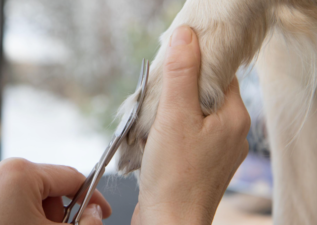 By making paw inspections, gentle cleaning, nail maintenance, and seasonal protection part of your regular routine, you can help keep your Golden Retriever comfortable throughout every stage of life.