
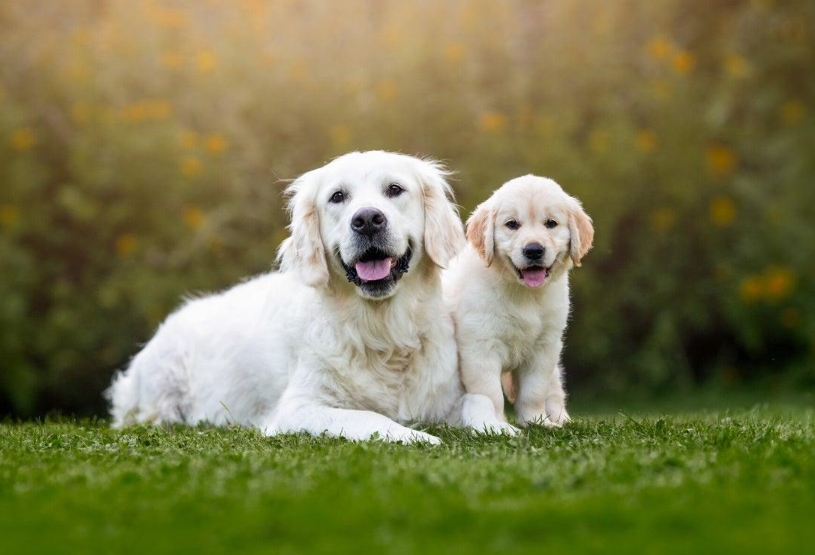
One of the most beautiful characteristics of an English Cream Golden Retriever is its luxurious, pale-colored coat. From soft ivory and light cream to deeper golden shading, these dogs have a distinctive appearance that captures the attention of prospective owners and Golden Retriever enthusiasts alike. But if you have an English Cream Golden Retriever puppy, you may notice something surprising as your dog grows: the coat color you first fell in love with may not remain exactly the same. Your puppy’s coat might become slightly darker, develop golden highlights, or appear different as the adult coat comes in. In other cases, the coat may seem lighter or less vibrant during certain seasons.
So, why do English Cream Golden Retrievers change color? The answer usually involves normal coat development, genetics, seasonal shedding, and the way a dog’s coat changes with age. Understanding these natural changes can help you appreciate the many beautiful stages of your Golden Retriever’s development.
1. Puppy Coat Color Can Change as Your Golden Retriever Matures
One of the most common reasons an English Cream Golden Retriever’s appearance changes is the transition from puppy coat to adult coat. Golden Retriever puppies are born with a soft, fluffy coat that differs in texture and appearance from the coat they develop as they mature. As your puppy grows, the coat gradually changes in density, texture, length, and shading. The timing varies from dog to dog, and the transition may continue throughout the first year and beyond.
You may notice that your puppy’s coat becomes:
- Slightly darker or lighter in certain areas.
- More golden around the ears, tail, or back.
- Longer and more feathered around the legs, chest, and tail.
- Less fluffy as the adult coat develops.
- More varied in appearance as the coat’s texture and density change.
These changes are generally a normal part of development.
It is also worth remembering that a puppy’s early coat color does not necessarily predict every detail of its mature appearance.
2. Genetics Play an Important Role in Coat Color
The coat color of an English Cream Golden Retriever is influenced by genetics inherited from its parents. Golden Retrievers naturally display a range of coat shades, from very light cream to rich golden hues. These variations occur within the breed and reflect differences in inherited pigmentation. Although the term English Cream Golden Retriever is commonly used to describe Golden Retrievers with lighter coats, it does not identify a separate breed. The dogs are Golden Retrievers, and their coat color alone does not establish their health, temperament, or quality. Two puppies from the same litter may also develop somewhat different shades as they mature. For example, one puppy may retain a very light cream appearance, while a littermate develops more noticeable golden shading around the ears and feathering. Neither appearance is inherently better. These differences are part of the natural variation found among individual dogs.
3. Why Do English Cream Golden Retrievers Sometimes Have Darker Ears?
Have you noticed that your pale Golden Retriever puppy has slightly darker ears than the rest of its body? This is not unusual. Some Golden Retrievers develop deeper golden shading around the ears, tail, and other areas as their adult coats emerge. These areas may become more noticeable as the dog matures and the longer feathering develops. The contrast between a light body coat and warmer golden highlights can give an English Cream Golden Retriever a particularly beautiful appearance. However, the degree of shading varies among dogs. Some retain a more uniform pale cream color, while others develop more visible golden accents. These variations are usually related to the dog’s inherited coat characteristics rather than a sign that something is wrong.
4. Can an English Cream Golden Retriever’s Coat Become Lighter With Age?
Yes, a dog’s coat can appear lighter at certain stages of life, although the degree of change varies. Several factors may contribute to the appearance of a lighter coat.
Changes in coat texture
As the puppy coat gives way to the adult coat, the texture and length of the fur change. Light may reflect differently from the new coat, making its color appear different from before.
Sun exposure
Sunlight can gradually affect the appearance of some dogs’ fur, sometimes causing the coat to look faded or lighter in exposed areas.
Seasonal coat changes
Golden Retrievers shed throughout the year, with more noticeable shedding often occurring during seasonal transitions. As the coat changes, its overall appearance and density may temporarily look different.
Aging
As dogs grow older, changes in coat texture, pigmentation, and the appearance of individual hairs may occur. Some dogs also develop gray or white hairs, particularly around the muzzle. A lighter-looking coat is not necessarily a concern, but a sudden or unusual color change accompanied by hair loss, itching, redness, or skin irritation should be discussed with your veterinarian.
5. Does Seasonal Shedding Affect Coat Color?
Seasonal shedding can change the way your English Cream Golden Retriever’s coat looks, even when the underlying pigmentation has not significantly changed. Golden Retrievers have a double coat consisting of a dense undercoat and a protective outer coat. The undercoat helps provide insulation, while the outer coat helps protect the skin and contributes to the dog’s familiar appearance.
As your dog sheds and grows new hair, you may notice changes in:
- Overall coat fullness.
- The visibility of feathering.
- The apparent contrast between lighter and darker areas.
- The texture and shine of the fur.
These changes can make the coat seem different from one season to another.
Regular brushing helps remove loose hair and keeps the coat in good condition. It also gives you an opportunity to notice changes in your dog’s skin or coat that may warrant veterinary attention.
6. Can Nutrition Affect Your Golden Retriever’s Coat Color?
Nutrition plays an important role in maintaining healthy skin and fur. A balanced, complete diet appropriate for your dog’s age and life stage provides the nutrients needed for normal coat growth and maintenance. Poor nutrition or certain underlying health problems can contribute to a dull coat, excessive shedding, or changes in coat quality. However, a healthy diet will not turn a naturally darker Golden Retriever into a lighter one, nor can a particular supplement guarantee a specific cream shade. If your dog’s coat becomes unusually dull, brittle, or patchy, consult your veterinarian before adding supplements or changing its diet. Coat changes can have several causes, and the appropriate response depends on the individual dog.
7. Will My English Cream Golden Retriever Stay Cream-Colored?
This is one of the most common questions prospective owners ask when looking at English Cream Golden Retriever puppies. The honest answer is that a puppy’s mature shade cannot always be predicted precisely . A puppy with a very pale coat may retain a light cream appearance into adulthood. Another may develop warmer golden tones, particularly around the ears, tail, and feathering. A puppy’s parents and family history can provide useful information about the range of coat colors that may occur, but they cannot guarantee the exact shade your dog will have as an adult. If coat color is important to you, ask your breeder about the parents’ coats, the appearance of previous litters, and what is known about the puppy’s lineage. Remember that coat color is only one characteristic to consider when choosing a Golden Retriever. Health, temperament, responsible breeding practices, and compatibility with your family deserve equal or greater attention.
8. When Should You Be Concerned About a Coat Color Change?
Most gradual changes in coat shade and texture are normal. However, not every coat change is simply a result of aging or seasonal shedding. Contact your veterinarian if you notice changes such as:
- Sudden, unexplained discoloration.
- Bald patches or unusual hair loss.
- Persistent scratching, licking, or irritation.
- Red, inflamed, crusty, or flaky skin.
- A dull coat accompanied by changes in appetite, energy, or overall health.
In some cases, these signs can be associated with skin conditions, parasites, allergies, nutritional problems, or other medical concerns.
Your veterinarian can help determine whether the change is a normal variation or something that requires treatment.
9. How to Keep Your English Cream Golden Retriever’s Coat Looking Its Best
Although you cannot control every aspect of your Golden Retriever’s natural coat color, you can help maintain a healthy, attractive coat with consistent care. Brush regularly. Brushing helps remove loose hair, reduce tangles, and distribute natural oils throughout the coat. Bathe when needed. Use a dog-appropriate shampoo and avoid excessive bathing, which may dry or irritate the skin. Provide balanced nutrition. Feed a complete and balanced diet appropriate for your dog’s life stage and individual needs. Keep up with veterinary care. Routine examinations can help identify skin or coat problems early. Avoid unnecessary coat treatments. Bleaching agents, harsh products, and dyes can irritate the skin and are not needed to maintain a naturally beautiful cream coat. Be patient as your puppy matures. The transition from a soft puppy coat to the adult coat takes time, and each Golden Retriever develops at its own pace. With appropriate care, your dog’s coat can remain healthy and beautiful throughout its life, regardless of whether its shade is ivory, pale cream, or a warmer golden color.
The Beauty of an English Cream Golden Retriever Is More Than Coat Color
One of the joys of raising a Golden Retriever is watching your dog change and mature over time. The fluffy puppy coat gradually gives way to a more developed adult coat. Feathering becomes more pronounced, the dog’s physical features mature, and subtle differences in color may emerge. These changes are part of what makes each dog unique. We believe that choosing a Golden Retriever should involve much more than finding a particular coat shade. Responsible breeding practices, health considerations, individual temperament, and a good match for your family are all important parts of the decision. Whether you are drawn to a very pale English Cream Golden Retriever or prefer a warmer golden shade, the most important thing is finding a healthy, well-cared-for companion whose needs and characteristics suit your household.
Your Golden Retriever’s coat may change as the years go by, but the memories you make together will be what matter most.